
Field report
Identifying excess consumption in shared building services
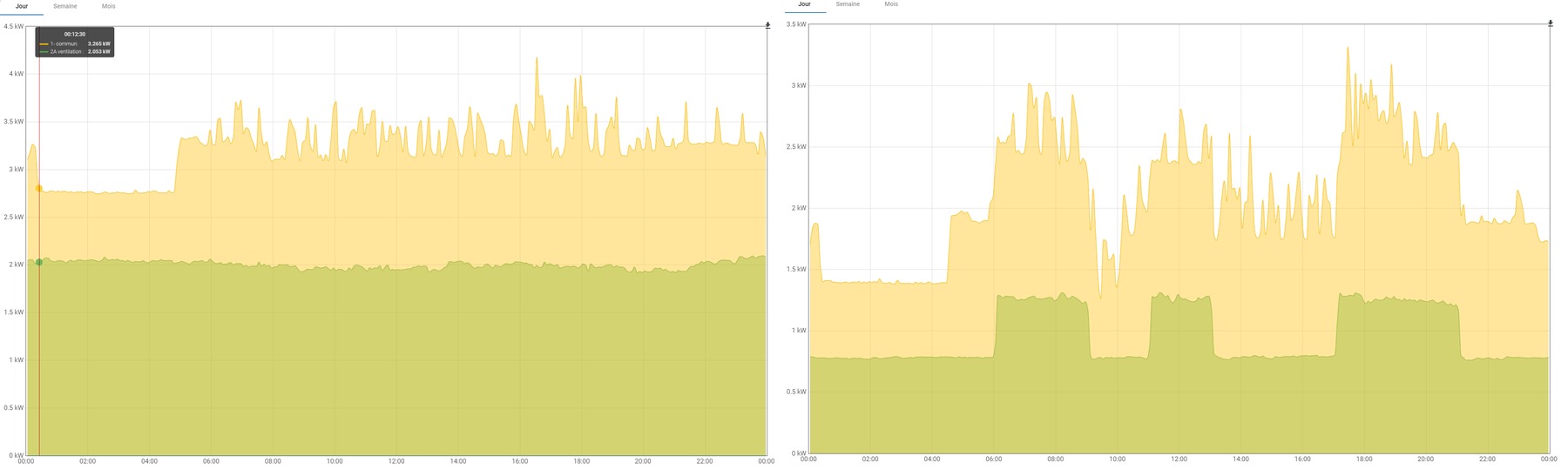
Site report on a condominium building: an air handling unit running non-stop with clogged filters was costing up to 25 kWh per day.
Energy efficiency
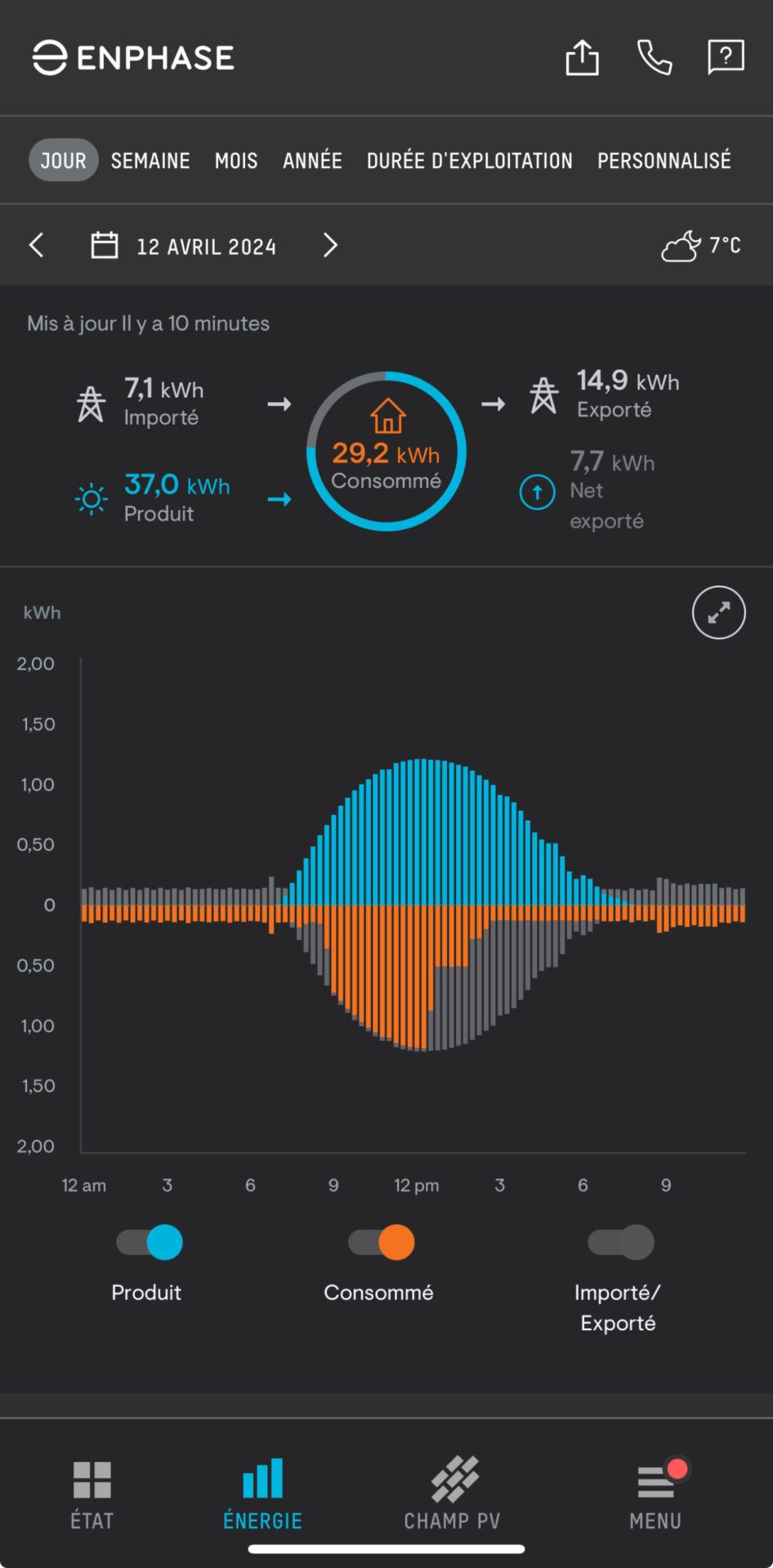
In the middle of an energy transition, self-consumption has become the obvious move: use the energy your own solar panels produce instead of sending it to the grid. It cuts your dependence on the network and your electricity bill.
The figures point to what really counts: aligning production and consumption more closely to raise the self-consumption rate. That is exactly where Workswell comes in.
Want to know your actual self-consumption rate and what could be improved? Let’s discuss it.
Also worth reading
Site report on a condominium building: an air handling unit running non-stop with clogged filters was costing up to 25 kWh per day.

Workswell announces the official filing of a European patent for a technology that cuts energy consumption without heavy investment.
Workswell announces a new patent, currently under validation, that drastically cuts energy consumption without heavy investment.
A first conversation is usually enough to define the potential and the scope of the mandate.