
News
Happy Holidays
The whole Workswell team wishes you happy holidays and thanks its clients and partners for their trust throughout the year.
Analysis
In an increasingly connected real-estate landscape, building automation has become the hub of technical information. However, to avoid being locked into a proprietary solution that’s costly to operate, it’s essential to adopt a common language.
At Workswell, we rigorously apply the recommendation of the KBOB (Coordination Conference of the Building and Property Services of Public Building Owners).
Here’s why this document is essential for your future projects.
The primary goal of the KBOB recommendation is to guarantee that devices from different manufacturers can be seamlessly integrated into a single system. This allows building owners to:
The strength of this recommendation lies in defining profiles specific to the Swiss market, going beyond the basic ASHRAE standard. Every device must be classified under one of these profiles:
Workswell ensures that every piece of equipment offered complies with the strict lists of objects and properties imposed by these profiles (such as Trend Log, Schedule, or Event Enrollment objects).
For interoperability to work, everyone needs to speak the same language, down to the smallest detail. KBOB requires:
The classic mistake is to think about BACnet integration at the end of the project. KBOB is clear: the strategic decision must be made even before planning begins. BACnet requirements must be built into the deliverables from the project study (SIA 3), the tender (SIA 4) and execution (SIA 5) phases.
The recommendation goes as far as defining how to model common physical objects. For example, a pump or fan (“drive”) must be controlled via a Binary Output object for the command, monitored via Feedback_Value, and have its running hours counted via Elapsed_Active_Time. At Workswell, we use these standard models to ensure your ventilation or heating installation can be operated by any supervisor on the market.
The KBOB BACnet recommendation is not a mere option: it’s the guarantee of quality and freedom for your infrastructure. As expert integrators, Workswell helps you translate these technical requirements into lasting performance for your buildings.
Do you have a construction or renovation project? Contact our experts for a BACnet compliance assessment.
Also worth reading
The whole Workswell team wishes you happy holidays and thanks its clients and partners for their trust throughout the year.
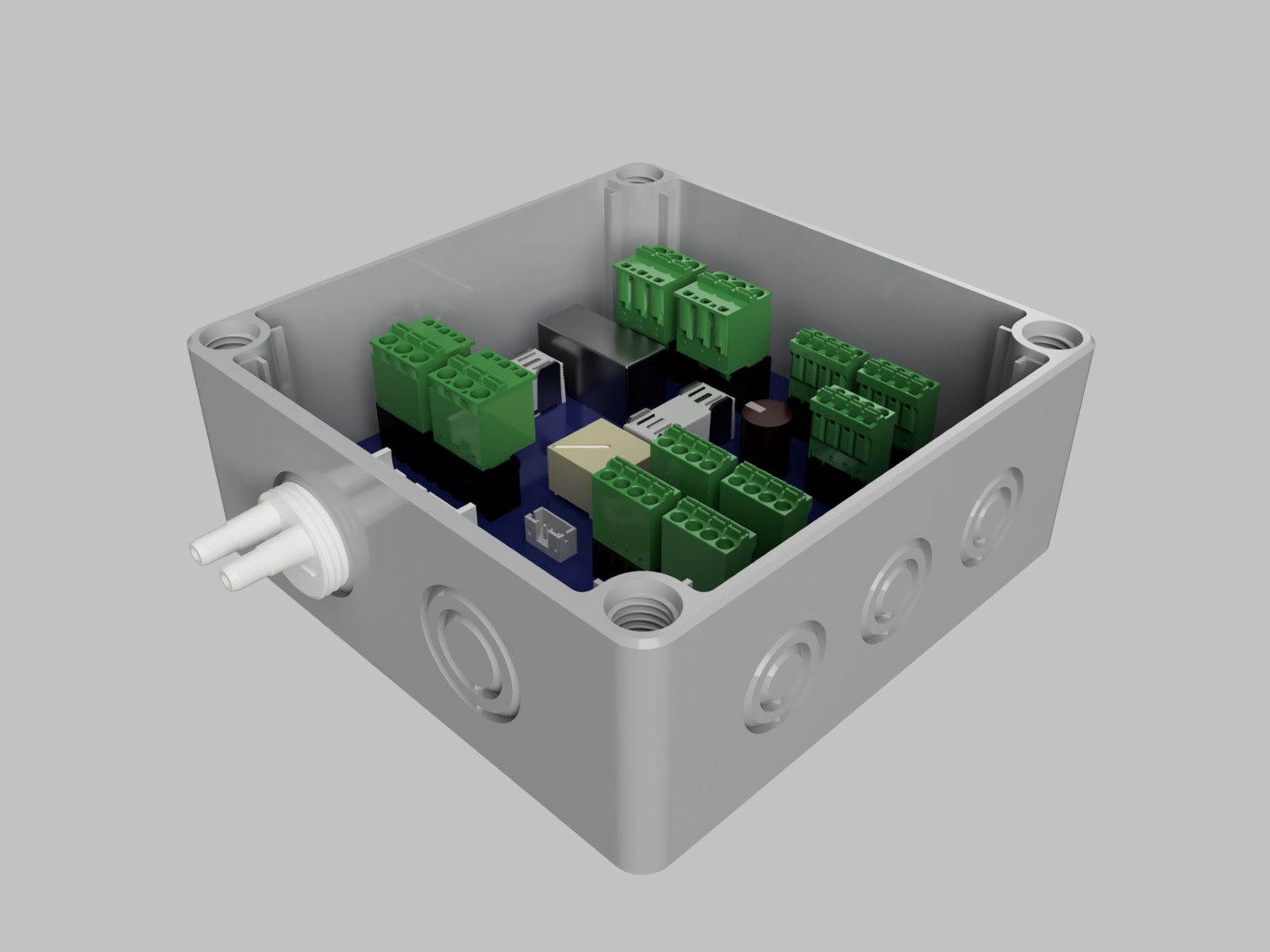
WS-SMART-HG controls the entire heating plant: up to 8 heating groups, 100% web-based supervision, BACnet and Modbus compatibility, built-in safety functions and implementation through configuration alone.
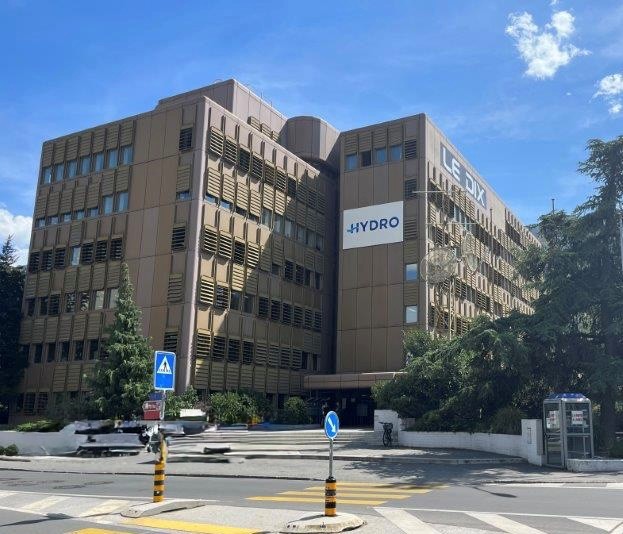
Workswell opens its new office at Rue de l’Industrie 10 in Sion, strengthening its presence in Valais, closer to its clients and partners.
A first conversation is usually enough to define the potential and the scope of the mandate.