
Technical
Heatwave: now is when a double-flow AHU’s controls get put to the test
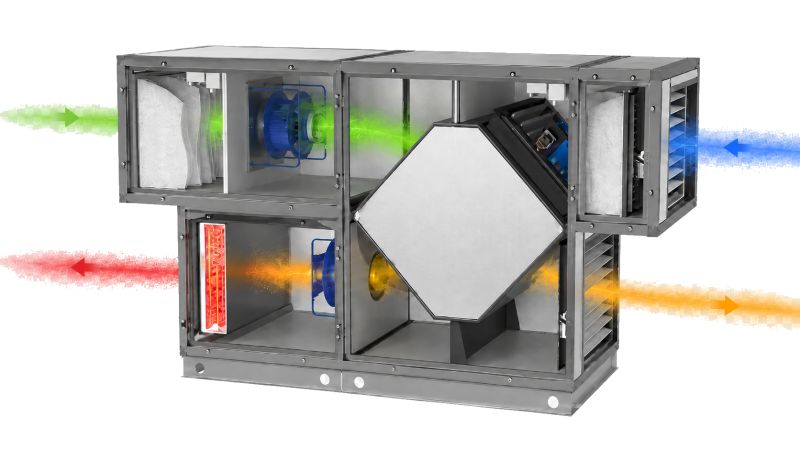
Daytime cold recovery, night-time free cooling and the right trade-off on temperature difference: three points that make the difference at 35 °C.
Analysis
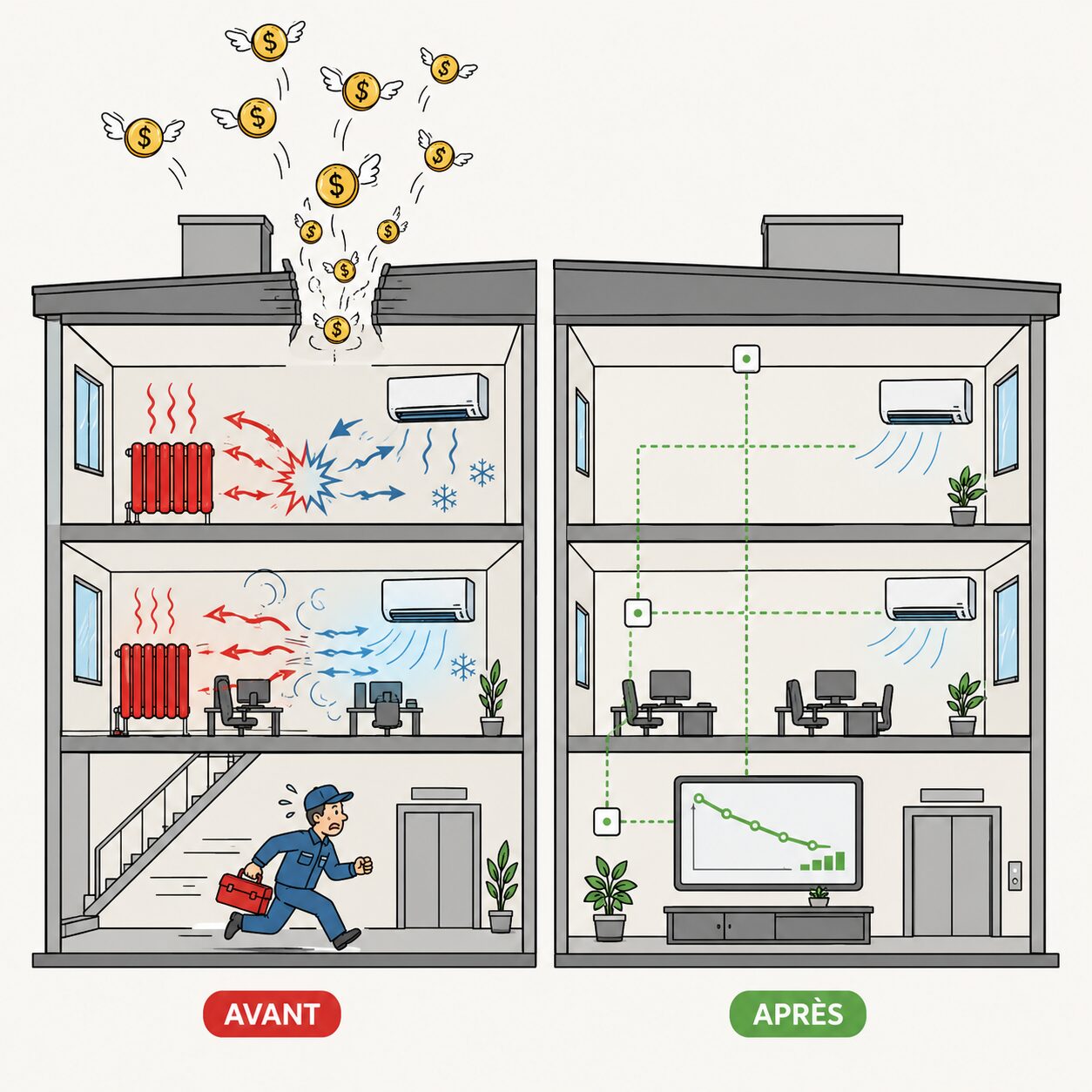
On the quote, controls is just one line among many. In operation, though, it’s the line that decides whether the building consumes energy sensibly or wastes it quietly.
Three costs that never show up until it’s too late.
1. Phantom energy. Setpoints that are never optimised, heating and cooling fighting each other, schedules disconnected from actual occupancy. Sometimes 10 to 30% overconsumption, invisible on the meter.
2. Repeat callouts. Missing measurement points, poorly configured alarms: the technician comes out for a fault the BMS should have cleared on its own.
3. Commissioning that runs off the rails. Uncoordinated interfaces between ventilation, heating/cooling production and electrical: the schedule slips, often at the owner’s expense.
The good news: it’s all decided upstream. Controls designed from the concept stage, with the right measurement points and systems that talk to each other (BACnet, KBOB standards), turn controls into a lever for savings rather than a source of surprises.
Have a project where controls deserve to be scoped before commissioning? Let’s talk.
Also worth reading
Daytime cold recovery, night-time free cooling and the right trade-off on temperature difference: three points that make the difference at 35 °C.
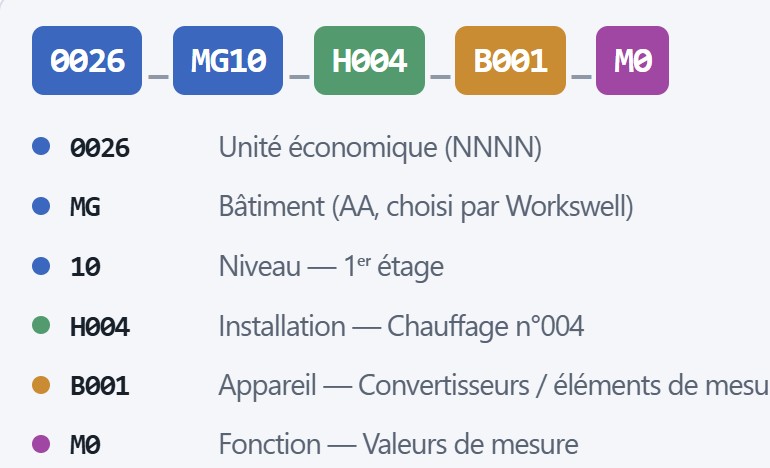
KBOB naming of building installations is powerful once you understand it and opaque on first contact. Our editable address generator makes it readable.
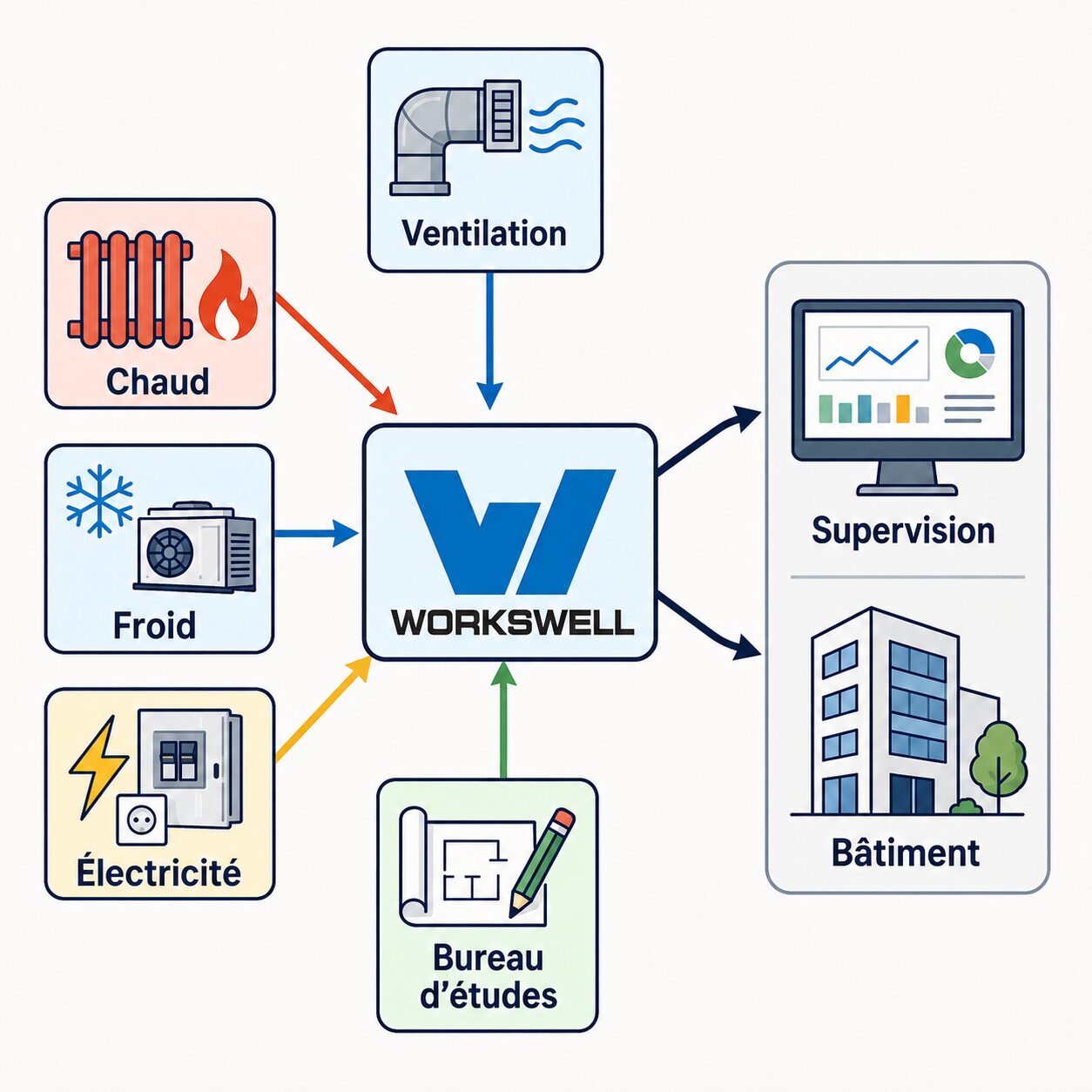
Missing measurement points, controls that do not talk to each other, surprises at commissioning: what it costs to handle controls last, and how to scope them upstream.
A first conversation is usually enough to define the potential and the scope of the mandate.